
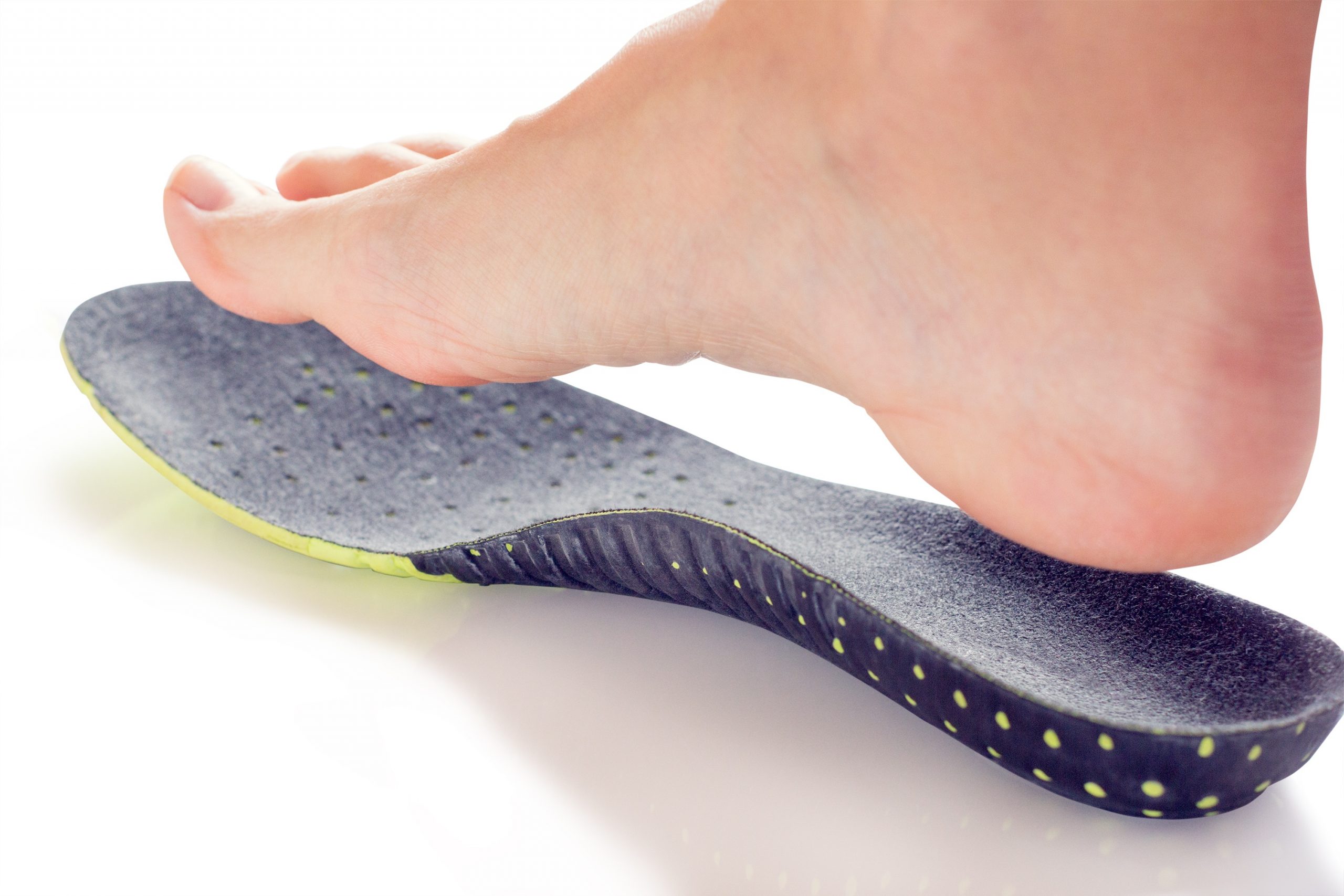
Orthotics are medical devices that you can get a prescription for and that are worn in your shoes. They are designed to improve biomechanical issues in your feet when you walk, stand and run. They can also aid in reducing foot pain that is caused by bursitis, plantar fasciitis, arthritis and diabetes.
When you’re trying to find the right orthotics to suit your needs and ailments, many different kinds of orthotics do not work equally. We’re here to assist you learn about the many options for custom orthotics that are available to you.
What Are Orthotics?
If you’re brand new to the Orthotics world, then you could be asking, “What do orthotics do?” or “What are custom orthotics?” We’re here for you!
There are two kinds of foot support that you can pick. Inserts are sold in-store, without a prescription. They are typically made of substances like foam, plastic or gel, and are inserted into the shoes to provide an extra cushion and support. Although inserts aren’t customised, however, they’re still useful in certain situations.
They require a prescription. They are used inside shoes to relieve the foot pain caused by problems like bursitis, arthritis, arthritis, etc.
Conditions that Orthotics can Treat
The use of orthotics can improve many health conditions, like:
- Arthriti,s Osteoarthritis: is and Rheumatoid arthritis can cause discomfort, which orthotics can alleviate.
- Injuries: People who have suffered injuries to their feet or ankles might require additional assistance through orthotics.
- Heel spurs happen when there is a lot of bone growth at the back or bottom of the heel. Orthotics keep the foot in place and help reduce inflammation.
- High arches: People with arches that are high can cause additional strain on the foot muscles. Orthotics can stop feet from rolling backwards or outwards.
- Patients with diabetes may lose sensation in their feet, a condition known as diabetic neuropathy. Orthotics reduce the tension that could lead to ulcers on the feet.
- Orthotics for flat feet enhance the way that your foot is placed.
- Bunions: Orthotics that have an open toe box may reduce stress on your big toe.
- Back pain: Unhealthy foot alignment can be improved using orthotics, which can ease back pain.
- Hammer toes: This usually results from bunions. Orthotics may provide additional support.
- Plantar fasciitis: Doctors may suggest orthotics for extra support.
Types of Custom Orthotics for Feet
There are a variety of custom-made orthotics you can pick. From the kind of material to selecting different orthotics for various activities, there are a variety of choices. Doctors will collaborate with you in writing the proper prescription for your orthotics, based on your health and symptoms.
All the products can be ordered and customised to meet the needs of your doctor. The amount of volume orthotics can take into your shoes is also a matter of design “High volume” orthotics take up more space than “low volume” orthotics.
Certain orthotic options include full-shoe inserts, which are identical to the insoles used inside athletic footwear. There are also lower heel-specific orthotics, which fit into the rear inside the footwear. If you require ankle support, orthotics for the ankle are a viable alternative.
Here are some types of orthotics that you can custom-design:
- Functional orthotics are made to enhance your natural gait and posture as well as reduce the pain and aches in your feet, as well as the discomfort in the lower back and thighs. They are designed to enhance your balance and slow the development of foot deformities or muscle imbalances. Functional orthotics are typically constructed from carbon fibre or polymer and are most effective in closed-toed walking shoes or dress shoes.
- Accommodative orthotics: This is a different kind of custom orthotics, which can be used to accommodate deformities that are already present or fat pad loss that functional orthotics are not able to improve. This kind of device is specifically designed to aid those suffering from stiff joints or arthritis. They tend to be softer and assist in distributing the pressure, which can cause corns, heel fissures, and painful calluses. Like the name implies, orthotics for accommodative use are generally composed of compression materials that give additional cushioning to help decrease pressure.
- Semi-rigid orthotic insoles for custom orthotics are able to offer a balanced balance of softness and rigidity and are a good solution to different foot issues. The orthotics prescribed by a doctor have an integrated structure that improves the balance of the foot, eases pressure and absorbs shock efficiently. They are advised for the treatment of foot problems caused by conditions like diabetes or arthritis, and to treat flat feet and out-toeing and in-toeing issues for children. Athletes can also benefit from semi-rigid orthotics for preventing foot pain, particularly when competing or training.
- Custom orthotic solutions for children. These orthotics for children provide vital biomechanical support to children’s foot health. They play a vital function in resolving foot deformities as well as establishing an appropriate walking pattern at an early age. As children get older, customised orthotic insoles can be constantly adjusted to meet their evolving needs.
- Custom-designed sports orthotics. They are created for recreational and specific sports. For example, ankle orthotics, AFO Orthotics, spinal orthosis, high arch orthotics, cs KFO Ortho, sis knee orthotics and orthotics for feet.
Choosing the correct brace, AFO or orthotic shoes is most effectively done with the assistance of a physician. In certain instances, orthotics may be utilised alongside other shoe inserts, braces, or even a particular kind of taping known as Kinesiology tape to reduce the pain.
Custom Orthotics vs Store Bought
When it comes to the best way to select orthotics, there are two types of orthotics: custom and those that are available in stores. You may be asking whether custom orthotics are worth investing in. It is dependent on your individual scenario, but for the majority of people, they’re worth the expense.
Custom orthotics are created out of raw materials and a 3D representation of the feet. They’re designed entirely from scratch to fit your requirements. A majority of the orthotics (with one exception, runners’ orthotics made of cork in combination with leather) are made of semi-rigid or rigid plastic or fibreglass.
The principal function of orthotics is to improve the alignment of joints and muscles, bones, ligaments, and tendons of your ankles and feet to ease discomfort and pain. The cause of pain can be a musculoskeletal disorder, age-related conditions or genetics, as well as wearing shoes that don’t fit correctly.
The Benefits of Wearing Custom Orthotics
Custom orthotics offer numerous advantages. They’re not just beneficial in treating functional and structural issues in the feet and ankles, but they can also keep any future problems from forming. Orthotics help by assisting the foot’s structures and by enhancing the biomechanics that we use to move.
“Biomechanics” refers to how we move our joints and muscles. Consider our body as an instrument made up of many parts that function together. Every component, including joints, tendons, muscles and ligaments, works together. When one part is damaged and weakened, it can affect the other. The result can be a negative impact on our “machine”, that is, our body.
Biomechanics has a significant impact on the way we use our feet. If our biomechanics aren’t optimal, this can lead to an imbalance in the muscles of the feet, leading to various foot problems. In the reverse direction, when you suffer from many foot problems, it may cause problems with your biomechanics. Correction of these issues allows us to exercise the muscles in the way they were meant for use, assisting to ease the pain in your legs, and increasing the chance of developing foot problems.
How Podiatrists Can Help Determine Your Orthotic Needs
If you’re thinking of how to choose the correct orthotics, the first step is making your appointment with a specialist in foot care, typically one who specialises in foot problems. The doctor will be asking you some questions in order to better understand the symptoms you are experiencing and the time when they began. They’ll also inquire about which activities cause your symptoms to become worse, and what causes them to become better. Then, they will examine your body and look for any signs of abnormalities or deformities.
In general, there are a few indications that you may require orthotics:
- You’ve worn out your shoes.
- You are on the floor for more than 5 hours per day.
- There is no arch, or you have a high arch.
- You are suffering from severe heel or foot pain.
- Recently, you’ve suffered an injury to the lower leg.
The Best Way to Wear Foot Orthotics
If you’re wearing orthotics for the very first time, anticipate a period of break-in.
It can take your body approximately 2 weeks to adjust to wearing orthotics. You can follow these easy guidelines to make the transition easier:
- Wear your inserts at least 3 times a day for the first few days.
- The day you first get them, wear the inserts for 30 minutes each time you put them on.
- In time, you can extend the time you wear them for 15-30 minutes until you’re able to comfortably wear them during your day-to-day activities.
If your feet begin to get tired and swollen, then you should remove the orthotics and take a break from being on your feet for a couple of hours before putting them back on. This is a normal process during the break-in phase.
After the three-week time frame has ended and your feet continue to hurt due to your orthotics, they could require adjustment. Don’t be discouraged. This is a normal aspect of the process, and it might take time to find the right fit.
What Shoes Are Suitable for Custom Orthotics?
There’s an extensive list of shoes that orthotics can fit in, so regardless of what you’re doing, it’s possible to be in a comfortable position and be free of pain. We’ve provided a number of choices in the following article.
- Sneakers: Your most loved sneakers can be adapted to accommodate an orthotic of medium size that offers moderate control.
- The high heel: as one can imagine, orthotics for high heels must be slim and low-profile
- Dress shoes: Like the orthotics designed for heels, the orthotics of dress shoes have to be narrow, thin and short.
- Hiking boots. It is an ultra-high volume shoe that can be adapted to a large-volume orthotic.
- Ski boots are made especially for skiing, and they’re both tough and feature a small volume.
- Skates for hockey: These skates accommodate orthotics, which are lightweight and sturdy to aid in foot and ankle control when skating.
Tips for Caring for Your Orthotics
After you’ve purchased your orthotics, you’ll need to ensure they’re in good condition. The majority of orthotics last between 1-4 years, depending on how frequently you wear them. Certain types can last for longer.
In the majority of cases, orthotics made specifically for you can be repaired aand improved and redesigned, so if they’re becoming old, do not throw them out! You’re likely to get additional wear out of them without having to purchase new orthotics.
Here are some tips to keep your orthotics in top shape:
- Do not put your foot inserts in a washer or dryer to dry them. Instead, wash them with an abrasive rag, along with a mild dish soap. Be sure to wash them off using a dry, clean cloth and allow them to air dry before putting them into your shoes.
- Never put your children in a hot car.
- Always wear socks along with your orthotics to prevent your tops from wearing too quickly.
- If your orthotics are wet, you must remove them and then wipe them clean. They must dry completely before you put them back in your shoes.
Tips for Choosing Your Orthotics
The way you choose your orthotics will depend on your level of activity and the kind of shoes that you’ll wear. For instance, if trying out new boots or shoes, carry your orthotics with you. Here are some guidelines to remember.
- Be sure that your new shoes come with removable insoles that allow you to add your custom orthotics.
- After trying the shoes on, remove the footbeds to wander around the store in your orthotics.
- Orthotics are typically designed to take up more space in your shoe when compared to your original soles. This means that you may require shoes with a bigger toe box to give additional space.
- The wearing of lace-up shoes or boots is a common practice for orthotics because they are able to be easily adjusted.
Do Custom Orthotics Really Work?
Custom orthotics aren’t the only solution for those who suffer from ankle and foot problems. The effectiveness of orthotics is contingent on the person who makes them and how often they’re used, as well as the prescription from a doctor and the type of shoes they’rusedinind. Numerous studies have shown that properly-fitting orthotics, when worn properly, will effectively treat ankle and foot issues.
How Much Do Custom Orthotics Cost?
Orthotics cost more than inserts;s, however, they include an evaluation by a doctor as well as a custom-fit and high-quality materials made to last. Since these are medical prescription devices, your insurance company will likely pay for the expense.
The Bottom Line
If you’re experiencing ankle or foot pain, it’s a good idea to have a conversation with your doctor regarding the possibility of custom orthotics as the best option for you. If you’re in search of more details and advice regarding this issue, the closest New Mexico prosthetics provider is ready to assist you! Contact us today to schedule the first consultation!