
Planning a successful event takes more than just picking a date and sending invitations. Whether you are organizing a corporate gathering, a wedding, or a community fundraiser, careful planning is essential to ensure everything runs smoothly. Paying attention to key details such as location, accommodations, logistics, and guest experience can make a huge difference in the overall outcome. Here’s a comprehensive guide to help you navigate the essential considerations for your upcoming event.
Event Space: A Perfect Fit for Your Guests
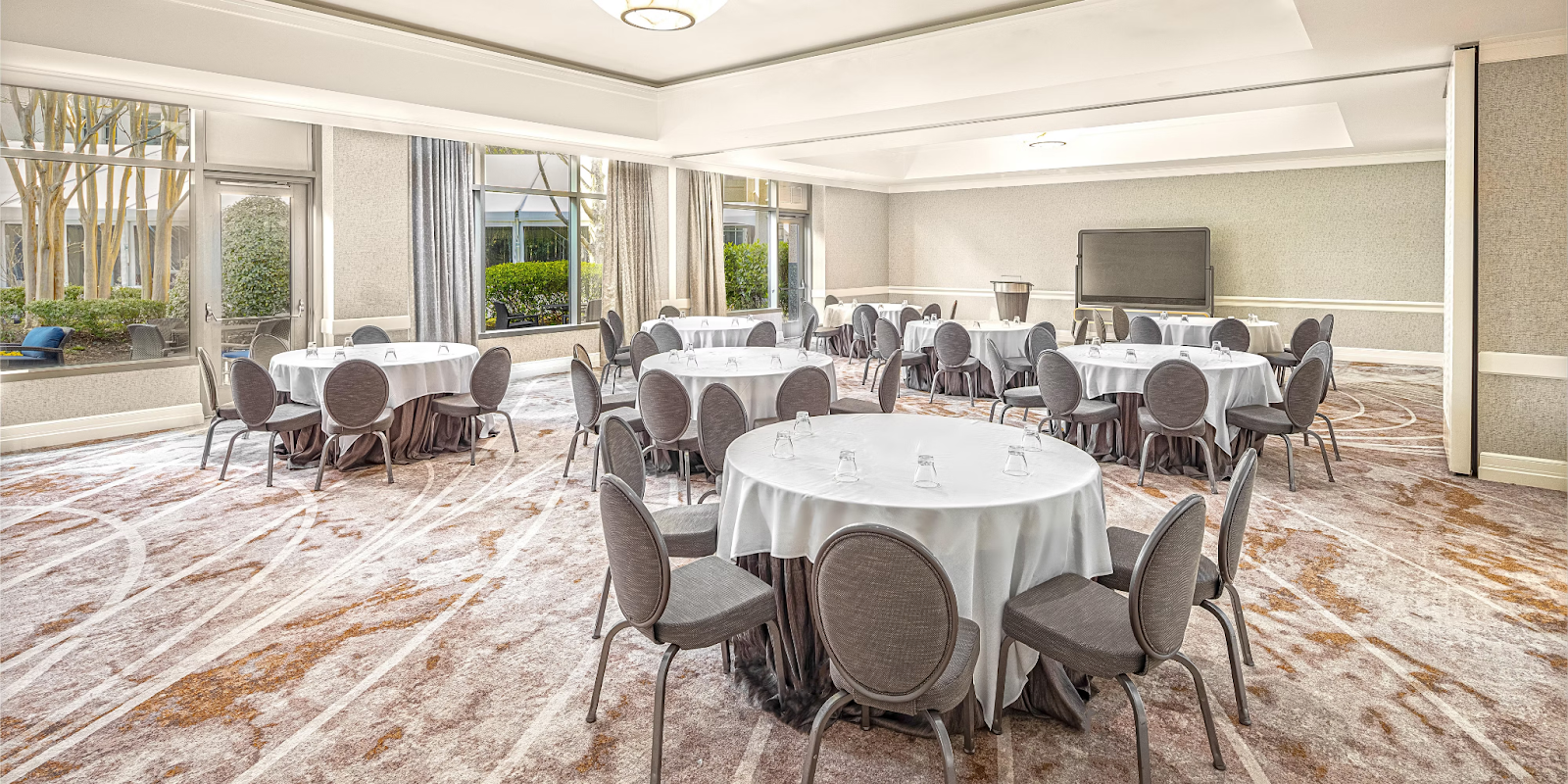
Choosing the right event space is one of the most critical aspects of planning any gathering. The venue sets the tone for the event, influences guest comfort, and impacts the overall experience. When selecting an event space, consider factors like capacity, layout, accessibility, and ambiance. A well-chosen venue ensures that guests feel comfortable, the event flows naturally, and your planned activities can be executed effectively. From ballrooms to outdoor gardens, the right event space can create a memorable backdrop for your gathering.
Hotels with Indoor Water Slides: Adding Unique Entertainment Options
If your event caters to families or aims to provide a fun and memorable experience, hotels with indoor water slides can be a unique choice. These venues combine accommodation with entertainment, offering a playful environment that can delight both children and adults. Incorporating hotels with indoor water slides into your planning can enhance the overall guest experience, making your event not only convenient but also exciting. Beyond entertainment, these hotels often provide event spaces and amenities, simplifying coordination for multi-day gatherings.
Guest Experience: Comfort and Convenience
Ensuring a positive guest experience should be a top priority. This involves considering factors such as transportation, parking, accessibility, and seating arrangements. Providing clear directions and communication in advance can help guests arrive with ease and feel welcomed. Additionally, amenities like rest areas, refreshments, and interactive elements contribute to a more enjoyable experience. Focusing on guest comfort and convenience can leave a lasting impression and encourage attendees to participate in future events.
Catering and Menu Planning: Meeting Diverse Needs
Food and beverages play a significant role in any event, impacting both satisfaction and overall enjoyment. When planning your menu, consider dietary restrictions, cultural preferences, and the type of event you are hosting. Offering a variety of options ensures that all guests can enjoy their meals comfortably. Coordination with a reliable catering service or the venue’s in-house team is essential to ensure timely service and quality presentation. Thoughtful catering not only nourishes but also complements the atmosphere of your event.
Budget and Financial Planning: Staying on Track
A well-planned budget is the backbone of any successful event. Determining your financial limits early on helps you prioritize spending and make informed decisions regarding the venue, entertainment, catering, and other essentials. Accounting for unexpected expenses and creating contingency plans ensures you remain flexible without compromising quality. Regularly monitoring your budget throughout the planning process helps maintain control and avoid unnecessary stress as the event approaches.
Scheduling and Timing: Optimizing Your Event Flow
Timing is key when planning your event. Establishing a clear schedule for activities, speeches, meals, and entertainment ensures the event runs smoothly. Adequate breaks and transitions prevent overcrowding of activities and provide guests with opportunities to network and relax. Coordination with vendors, speakers, and performers is also essential to maintain a seamless flow. A well-organized timeline contributes to a positive guest experience and helps your event achieve its intended goals.
Marketing and Communication: Ensuring Attendance
Even the most carefully planned event can fall short without effective communication. Promoting your event through social media, email campaigns, and other channels ensures that your target audience is aware and engaged. Providing clear information regarding registration, location, schedule, and special activities helps build excitement and encourages participation. Consistent communication before, during, and after the event strengthens engagement and leaves a professional impression.
Conclusion
Planning a successful event involves thoughtful consideration of numerous factors, from selecting the right event space to ensuring guest comfort, entertainment options, and effective communication. Incorporating unique features, such as hotels with indoor water slides, can add an extra layer of enjoyment and memorability. By focusing on these essential considerations—guest experience, catering, budget, scheduling, and marketing—you can create a well-executed event that leaves a lasting impression on all attendees. Careful planning and attention to detail are the keys to turning your vision into a seamless and enjoyable reality.