
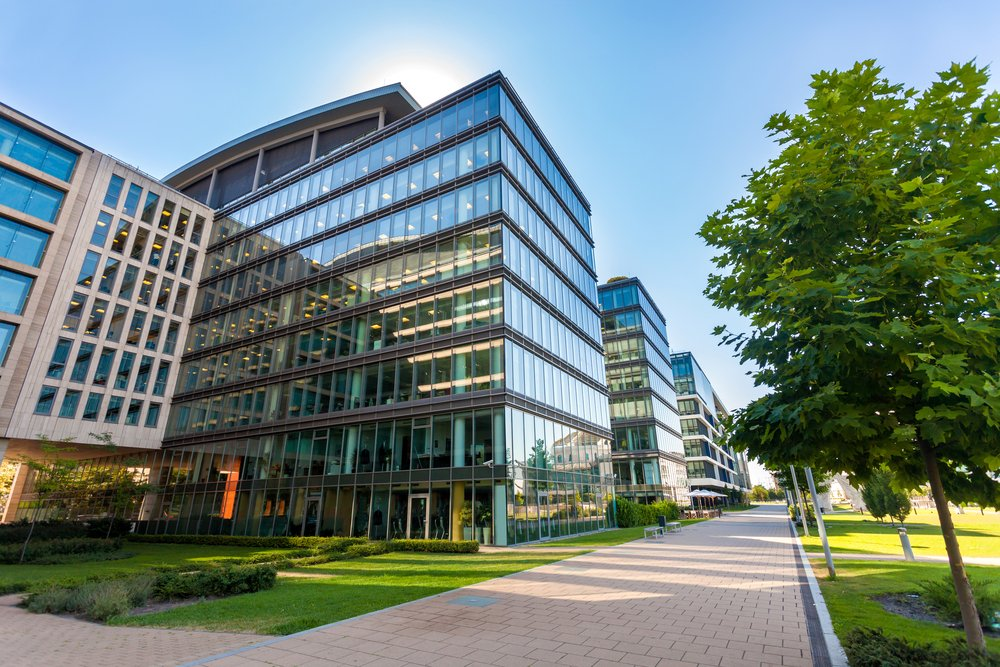
Maintaining a commercial building requires consistent effort and careful planning. A well-kept property not only attracts tenants and customers but also ensures safety and reduces long-term repair costs. Many building owners focus on daily operations but overlook preventive maintenance, which can prevent small problems from becoming major issues.
Regular inspections, cleaning, and updates to systems are essential to keep the building functional and presentable. This article provides practical tips that make commercial building maintenance easier and more effective.
Regular Structural Inspections
The structure of a commercial building forms its backbone, so regular inspections are crucial. Checking the foundation, walls, and roof for cracks, leaks, or damage helps prevent expensive repairs. Roof inspections should focus on loose shingles, water damage, and proper drainage. Walls need to be checked for cracks that could allow water or pests to enter.
Regular structural inspections also identify areas where upgrades or reinforcements may be necessary. Scheduling inspections at least twice a year helps address issues early and protects the overall integrity of the building.
Focus on Landscape Architecture
The landscape architecture plays an important role in maintaining the exterior of a commercial building. Well-designed landscapes improve the building’s appearance and create a welcoming environment for visitors. Regular trimming of trees and bushes, lawn care, and proper irrigation prevent damage to the building and reduce safety hazards.
Good landscaping also controls erosion and helps manage water drainage around the property. By maintaining clean and attractive outdoor spaces, the building remains inviting and professional while supporting the long-term health of plants and outdoor structures.
Hire Origins of Fires Service
Fire safety is a critical part of building maintenance, and understanding the origins of fires can prevent dangerous situations. Hiring a professional fire service to inspect the property ensures that all electrical systems, fire alarms, and sprinkler systems work correctly. Professionals also provide advice on fire-resistant materials and proper storage of flammable items.
Regular fire safety checks reduce the risk of accidents and comply with local safety regulations. Training staff on fire response and evacuation procedures adds an extra layer of protection for both the building and its occupants.
Maintain HVAC and Plumbing Systems
Heating, ventilation, air conditioning, and plumbing systems require consistent maintenance. Cleaning filters, checking pipes, and monitoring water pressure prevent breakdowns and improve energy efficiency.
Regular servicing of HVAC systems ensures a comfortable environment for tenants and employees, while plumbing maintenance prevents leaks that can damage walls, floors, and foundations. Early detection of issues like blockages or worn-out components reduces repair costs and ensures that systems operate smoothly throughout the year.
Keep Common Areas Clean and Functional
Common areas such as lobbies, hallways, elevators, and restrooms reflect the overall quality of a commercial building. Daily cleaning and periodic deep cleaning maintain hygiene and appearance. Checking lighting, signage, and flooring helps prevent accidents and enhances the professional look of the property.
Keeping these spaces functional and appealing encourages positive experiences for visitors, tenants, and staff. Maintenance in these areas also extends the life of finishes, fixtures, and equipment, saving money over time.
Conclusion
Proper maintenance of a commercial building involves attention to both the structure and daily operations. Regular inspections, care for landscapes, fire safety measures, system upkeep, and clean common areas all contribute to a safe and attractive property.
Following these practical tips helps prevent costly repairs, ensures safety, and creates a professional environment for tenants and visitors. Consistent maintenance protects the investment and keeps the building in optimal condition for years to come.